In the contemporary industrial era, Food Waste Management Technologies have transitioned from a luxury to a critical necessity. Global data suggests that nearly one-third of all food produced for human consumption is lost or wasted, amounting to approximately 1.3 billion tons annually. For modern food factories and processing plants, this waste represents not only an environmental challenge but a significant financial drain. Today, the global commercial sector is demanding high-efficiency solutions that integrate circular economy principles directly into the production line.
Across Europe, North America, and Southeast Asia, stringent environmental regulations (such as ESG reporting standards) are forcing factories to upgrade their infrastructure. The demand is shifting from simple disposal toward intelligent recovery and reduction. Factories are no longer looking for "trash bins"; they are seeking "resource recovery systems."
Modern factories utilize centrifugal and steam peeling technologies that minimize the removal of edible pulp. By optimizing the peeling depth, factories can reduce raw material waste by up to 15%.
Utilizing hyperspectral imaging and AI algorithms to detect and sort produce based on ripeness and internal quality, ensuring only suitable produce enters the line and reducing downstream spoilage.
Converting vegetable and fruit scraps into high-value powders or snacks. Technology like vacuum frying and low-temp drying preserves nutrients while eliminating waste volume.
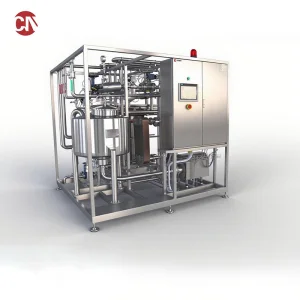
Extending shelf life through precise thermal treatment. Systems like the Htst Pasteurization System prevent premature bacterial spoilage in ready-to-eat products.
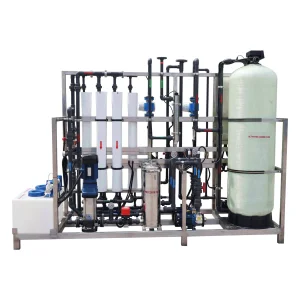
Food processing is water-intensive. Nanofiltration plants allow factories to purify and reuse process water, significantly reducing the environmental footprint of waste-water discharge.
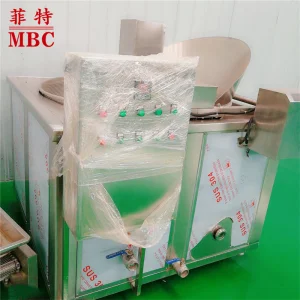
In snacks production, maintaining oil quality through continuous filtration prevents the premature disposal of thousands of liters of cooking oil.
Advanced freezing technologies prevent cellular damage in vegetables, ensuring that produce doesn't become "mushy" and unmarketable after thawing.
Sensors throughout the production line track mass balance, identifying exactly where loss occurs, allowing for immediate mechanical adjustments.
Automated pulping systems extract maximum yield from "ugly" fruits that would otherwise be discarded due to aesthetic imperfections.
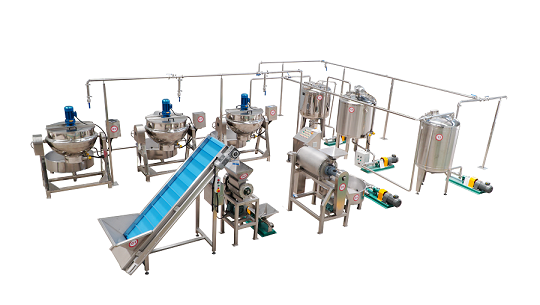
Mashing and preparing non-recoverable waste for biogas conversion, turning factory scraps into renewable energy for the plant.
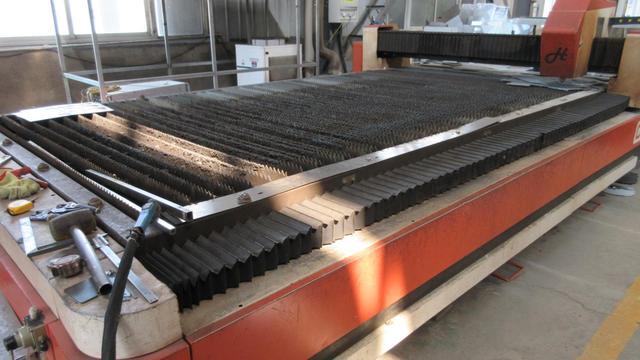
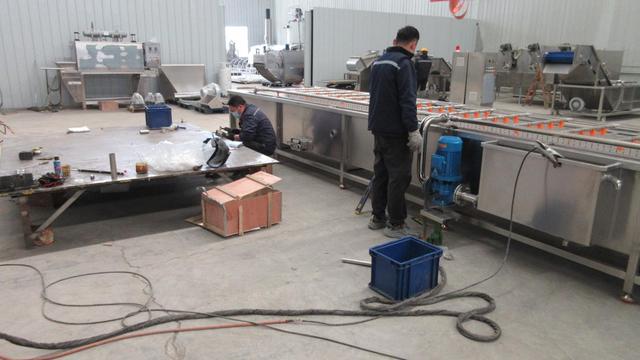
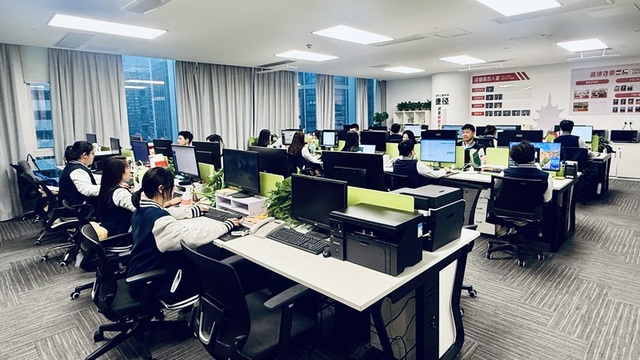
Dongguan CarniTe Machinery Co., Ltd. is a professional manufacturer specializing in fruit and vegetable processing equipment and integrated industrial food processing solutions. The company focuses on the research, development, production, and global supply of advanced processing lines for fruits, vegetables, and related food products. With strong engineering capability and industry experience, CarniTe Machinery delivers turnkey solutions that ensure efficient, hygienic, and scalable food production.
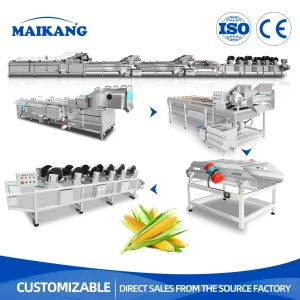
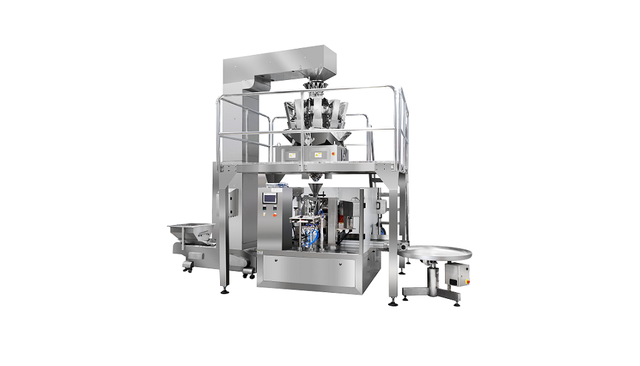
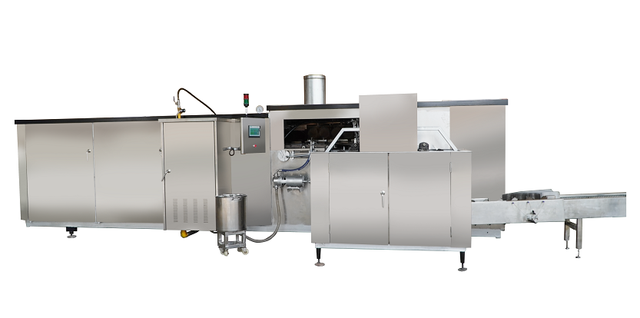
Core systems include washing, sorting, peeling, cutting, juicing, pulping, blanching, freezing, drying, and packaging lines, widely applied in food factories, beverage plants, and agricultural processing industries. The company is committed to improving production efficiency, reducing labor costs, and maintaining consistent product quality through automation and intelligent control technologies.
Dongguan CarniTe Machinery Co., Ltd. maintains strict quality standards and complies with international manufacturing requirements. It provides OEM and ODM customization services tailored to different capacities and production needs. By combining innovation, reliability, and customer-focused engineering, the company continues expanding into Asia, Europe, the Middle East, and the Americas, aiming to become a trusted global partner in food processing automation.
The company also invests heavily in research and development, continuously upgrading processing technology, improving energy efficiency, and enhancing equipment stability, while providing comprehensive after-sales support, installation guidance, and technical training to ensure long-term operational success for global customers in diverse food manufacturing environments.
In developing regions, the focus is on Primary Loss Reduction—preventing spoilage during harvest-to-factory transport. In developed markets like the EU, the focus is on Secondary Valorization—turning waste into protein or fiber supplements.
Global buyers prioritize ROI-driven equipment. They require machinery that is easy to sanitize (stainless steel 304/316), features modular designs for easy upgrades, and offers low energy consumption per ton of processed material.
China, led by clusters like Dongguan, offers an unparalleled supply chain. Our advantage lies in Rapid Prototyping, cost-effective high-grade materials, and the ability to integrate AI software with heavy hardware at a fraction of the cost of Western competitors.
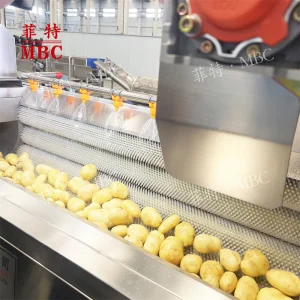
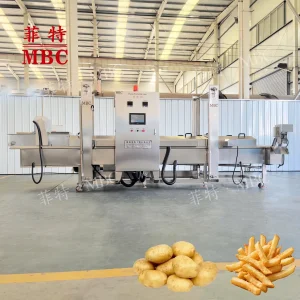
The journey toward a zero-waste facility begins with mass balance auditing. By implementing CarniTe’s automated peeling and cleaning lines, a factory can instantly visualize the reduction in organic waste. For instance, our Industrial Frozen French Fries Production Line is designed with integrated starch recovery. Instead of washing away valuable starch, the system captures it, creating a secondary revenue stream for the factory owner.
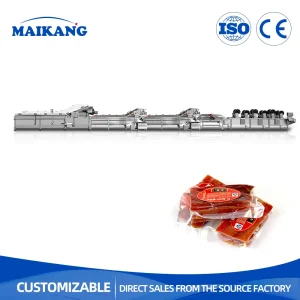
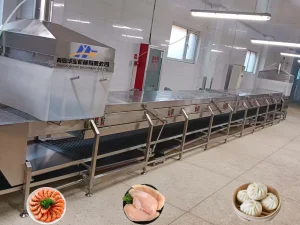
Waste often occurs due to inadequate sterilization in the packaging phase. Our Automatic Pasteurization Production Lines utilize precise temperature control to ensure that shelf-life is maximized without compromising the texture of the food. This reliability is why our equipment is sought after in regions with volatile ambient temperatures, such as the Middle East and Africa.
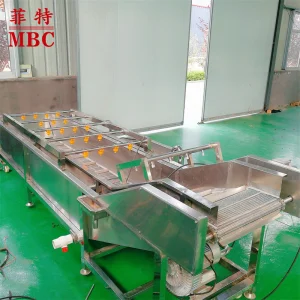
In the global procurement landscape, being a "green" factory is a massive marketing advantage. Retailers like Walmart or Carrefour increasingly favor suppliers who can prove they use Food Waste Management Technologies. By investing in high-efficiency washing and blanching lines, you are not just buying machines; you are buying entry into the most lucrative global supply chains.
 CarniTe Machinery