CarniTe Machinery
1 / 5
Acetic acid, systematically named ethanoic acid, is an acidic, colourless liquid and organic compound with the chemical formula CH3COOH (also written as CH3CO2H, C2H4O2, or HC2H3O2). Vinegar is at least 4% acetic acid by volume, making acetic acid the main component of vinegar apart from water. It has been used, as a component of vinegar, throughout history from at least the third century BC. Acetic acid is also known as acetyl hydroxide (AcOH).
Acetic acid is a chemical reagent for the production of chemical compounds. The largest single use of acetic acid is in the production of vinyl acetate monomer, closely followed by acetic anhydride and ester production. The volume of acetic acid used in vinegar is comparatively small.
Acetic acid is used as part of cervical cancer screening in many areas in the developing world. The acid is applied to the cervix and if an area of white appears after about a minute the test is positive.
Vinegar is used directly as a condiment, and in the pickling of vegetables and other foods. Table vinegar tends to be more diluted (4% to 8% acetic acid), while commercial food pickling employs solutions that are more concentrated.
As a polar protic solvent, acetic acid is frequently used for recrystallization to purify organic compounds. Acetic acid is used as a solvent in the production of terephthalic acid (TPA), the raw material for polyethylene terephthalate (PET). In 2006, about 20% of acetic acid was used for TPA production.
Acetic acid is produced industrially both synthetically and by bacterial fermentation. About 75% of acetic acid made for use in the chemical industry is made by the carbonylation of methanol. The biological route accounts for only about 10% of world production, but it remains important for the production of vinegar because many food purity laws require vinegar used in foods to be of biological origin. Other processes are methyl formate isomerization, conversion of syngas to acetic acid, and gas phase oxidation of ethylene and ethanol.
Acetic acid can be purified via fractional freezing using an ice bath. The water and other impurities will remain liquid while the acetic acid will precipitate out. As of 2003-2005, total worldwide production of virgin acetic acid was estimated at 5 Mt/a (million tonnes per year). Since then, the global production has increased from 10.7 Mt/a in 2010 to 17.88 Mt/a in 2023.
Most acetic acid is produced by methanol carbonylation. In this process, methanol and carbon monoxide react to produce acetic acid according to the equation:
CH3OH + HI → CH3I + H2O
1. CH3I + CO → CH3COI
2. CH3COI + H2O → CH3COOH + HI
Two related processes exist for the carbonylation of methanol: the rhodium-catalyzed Monsanto process, and the iridium-catalyzed Cativa process. The latter process is greener and more efficient.
Prior to the commercialization of the Monsanto process, most acetic acid was produced by oxidation of acetaldehyde. Light naphtha components are readily oxidized by oxygen or even air to give peroxides, which decompose to produce acetic acid:
2 C4H10 + 5 O2 → 4 CH3CO2H + 2 H2O
Acetaldehyde may be prepared from ethylene via the Wacker process, and then oxidised as above. A cheaper single-stage conversion of ethylene to acetic acid is catalyzed by a palladium metal catalyst supported on a heteropoly acid such as silicotungstic acid.
C2H4 + O2 → CH3CO2H
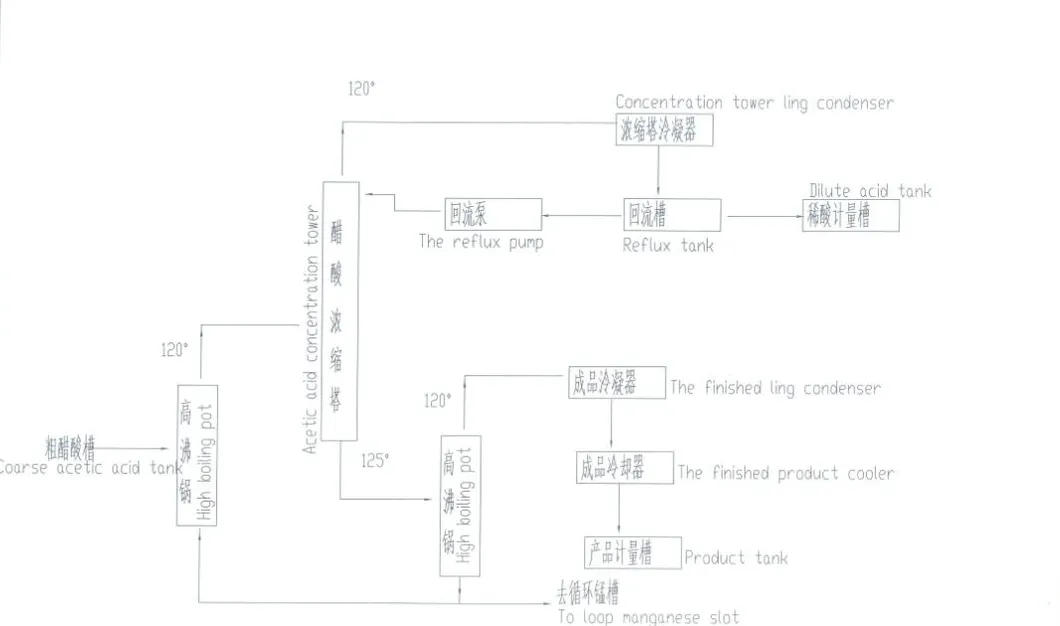
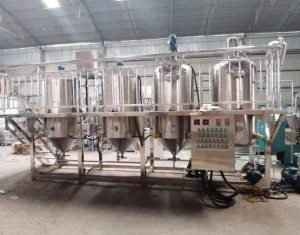
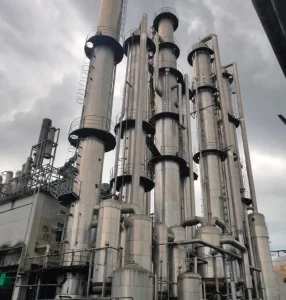
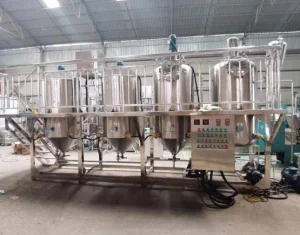
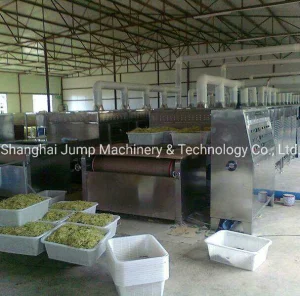
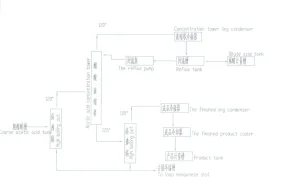
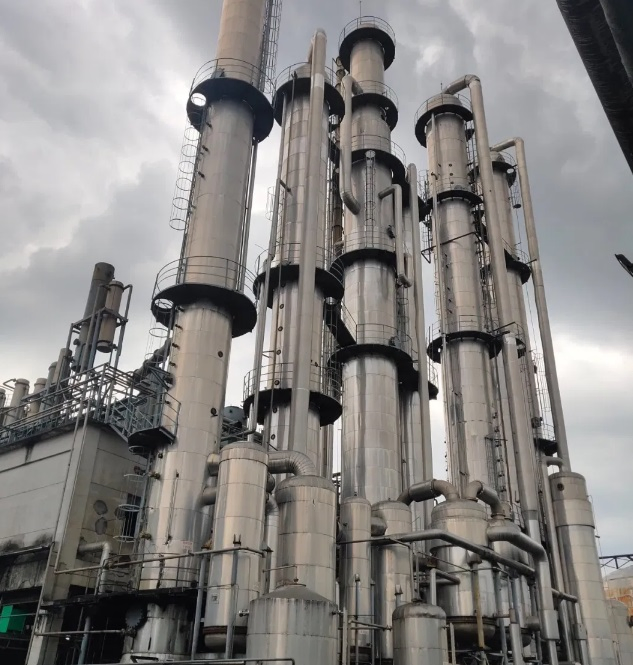
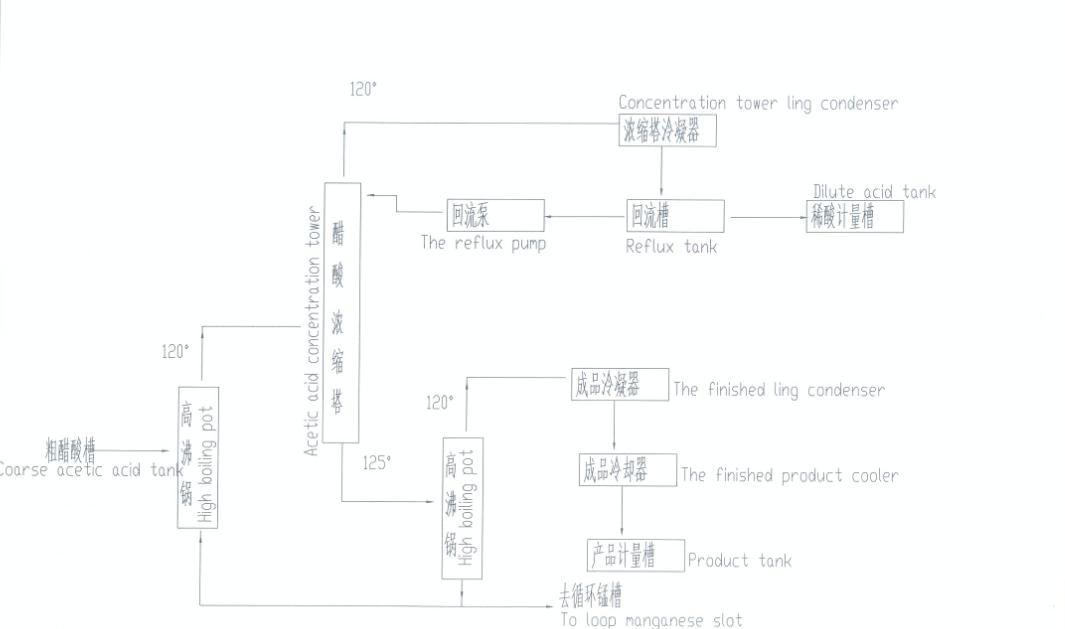
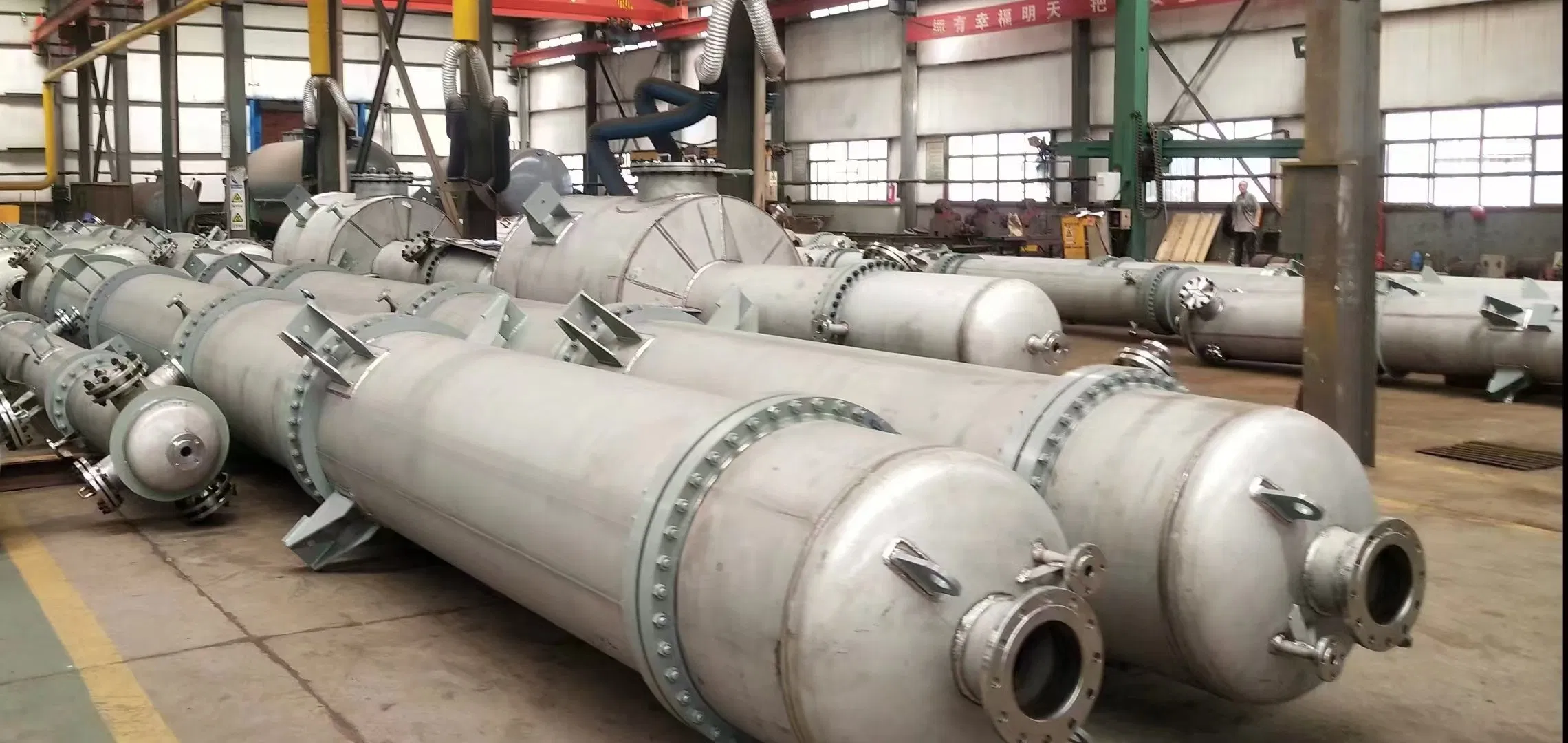
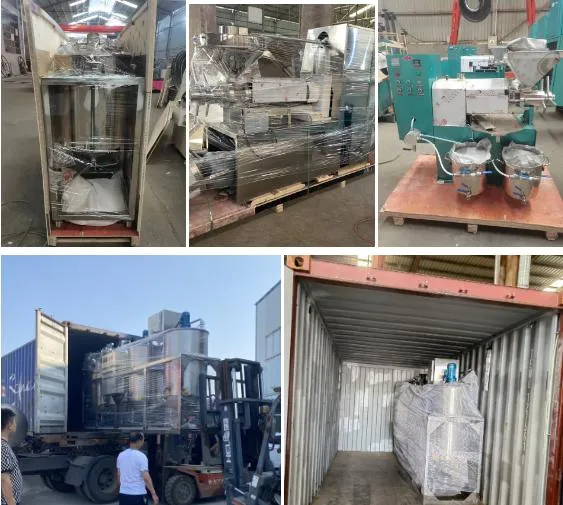
Professional made automatic acetic acid production line vinegar making machine line