Acetic Acid Use
Acetic acid is a chemical reagent for the production of chemical compounds. The largest single use of acetic acid is in the production of vinyl acetate monomer, closely followed by acetic anhydride and ester production. The volume of acetic acid used in vinegar is comparatively small.
- Medical: Acetic acid is used as part of cervical cancer screening in many areas in the developing world. The acid is applied to the cervix and if an area of white appears after about a minute the test is positive.
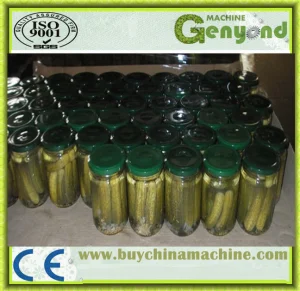
- Food: Vinegar is used directly as a condiment, and in the pickling of vegetables and other foods. Table vinegar tends to be more diluted (4% to 8% acetic acid), while commercial food pickling employs solutions that are more concentrated.
- Use as Solvent: As a polar protic solvent, acetic acid is frequently used for recrystallization to purify organic compounds. It is essential in the production of terephthalic acid (TPA), the raw material for polyethylene terephthalate (PET).
Industrial Production
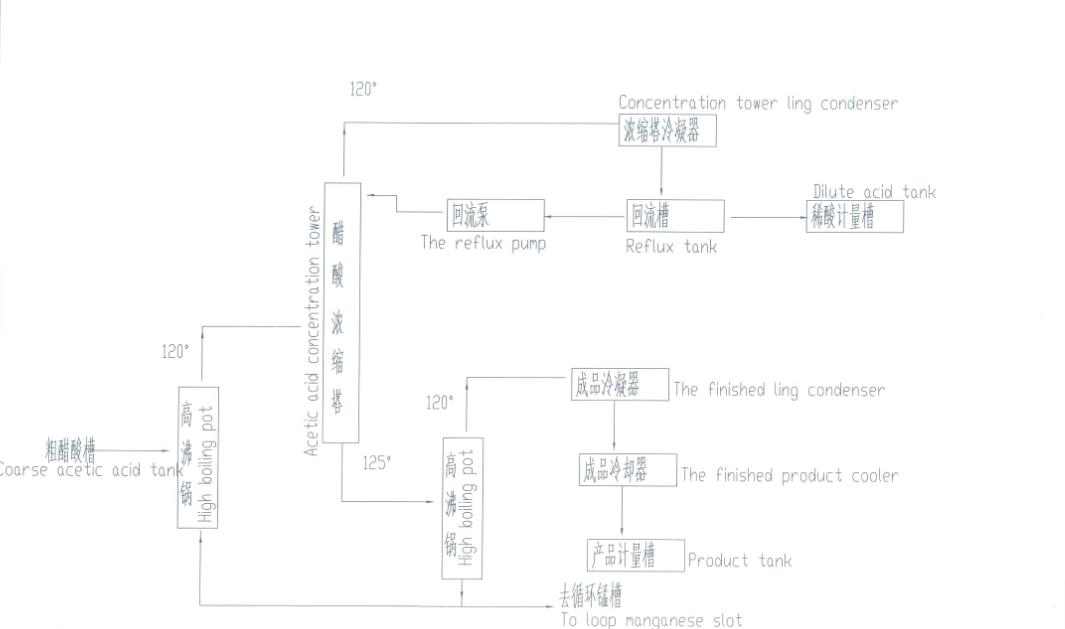
Acetic acid is produced industrially both synthetically and by bacterial fermentation. About 75% of acetic acid made for use in the chemical industry is made by the carbonylation of methanol. The biological route accounts for only about 10% of world production, but remains vital for food-grade vinegar production.
Global production has seen significant growth, increasing from 10.7 Mt/a in 2010 to approximately 17.88 Mt/a in 2023. Major global markets include the United States, Europe, and Japan, with recycling contributing an additional 1.5 Mt annually.
Methanol Carbonylation
In this process, methanol and carbon monoxide react to produce acetic acid. The process involves iodomethane as an intermediate and requires a metal carbonyl catalyst.
CH3OH + HI → CH3I + H2O
1. CH3I + CO → CH3COI
2. CH3COI + H2O → CH3COOH + HI
Modern plants utilize the iridium-catalyzed Cativa process, which is recognized as a greener and more efficient alternative to the older Monsanto process.
Acetaldehyde and Ethylene Oxidation
Second-most-important manufacturing method involves the oxidation of acetaldehyde. Acetaldehyde can be derived from the hydration of acetylene or via the Wacker process from ethylene. Recent commercialization of single-stage conversion of ethylene to acetic acid uses a palladium metal catalyst supported on heteropoly acid.
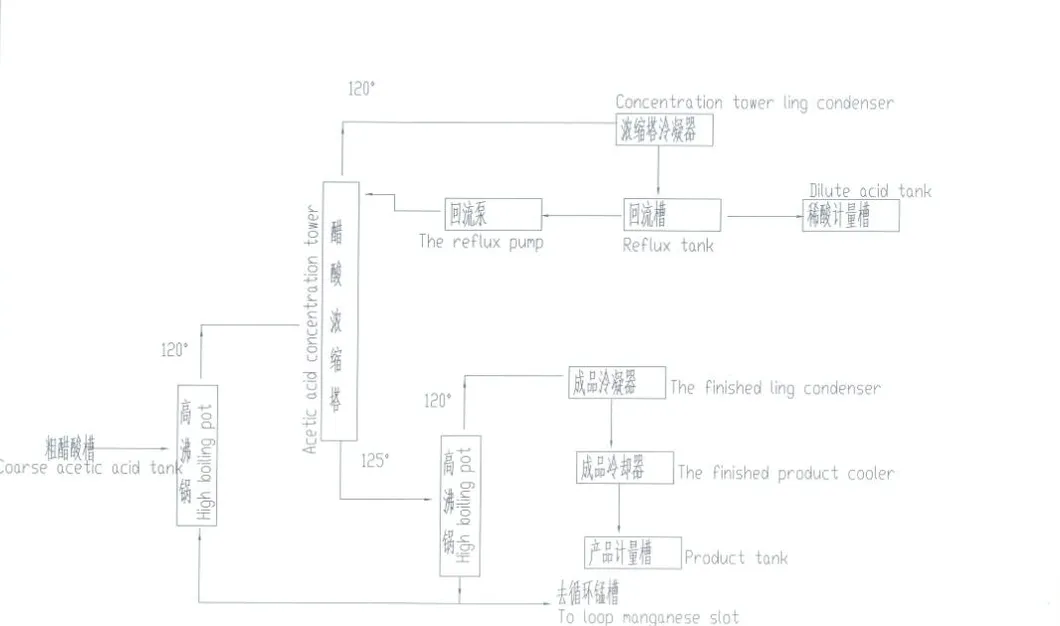
2 C4H10 + 5 O2 → 4 CH3CO2H + 2 H2O
C2H4 + O2 → CH3CO2H
Frequently Asked Questions
What is the primary industrial method for producing acetic acid?
Approximately 75% of industrial acetic acid is produced through methanol carbonylation, specifically using modern methods like the Cativa process.
How is acetic acid utilized in the food industry?
It is primarily used as vinegar for direct seasoning and in the pickling process for vegetables and other food items, typically in concentrations of 4% to 8%.
Why is acetic acid important in medical screening?
It is used in many developing regions for cervical cancer screening; applying the acid to the cervix helps identify potential issues if the area turns white.
What are the main chemical derivatives of acetic acid?
The largest uses include the production of vinyl acetate monomer (VAM), acetic anhydride, and various esters.
Is acetic acid production environmentally friendly?
Modern processes like the iridium-catalyzed Cativa process are considered "greener" as they require less water, suppress side reactions, and form fewer by-products.
Can acetic acid be purified from impurities?
Yes, it can be purified through fractional freezing using an ice bath, where the acid precipitates out while water and other impurities remain liquid.