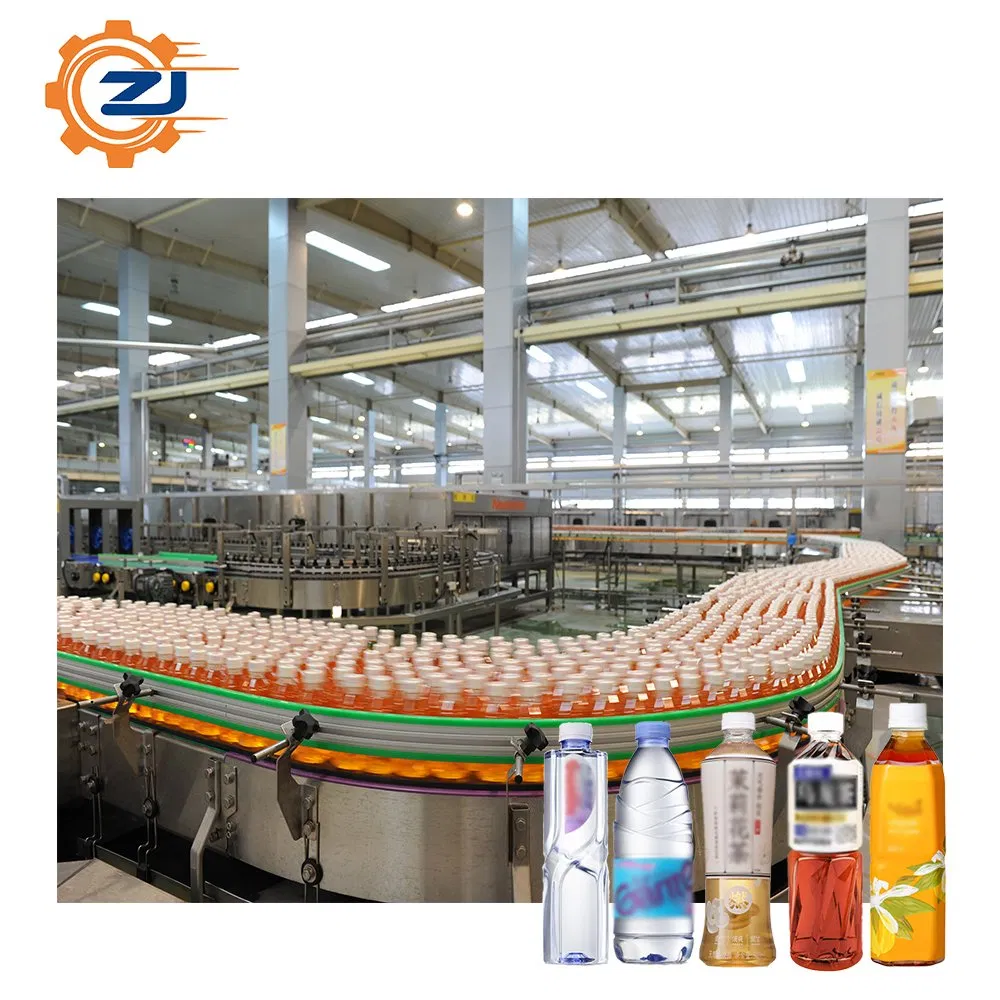
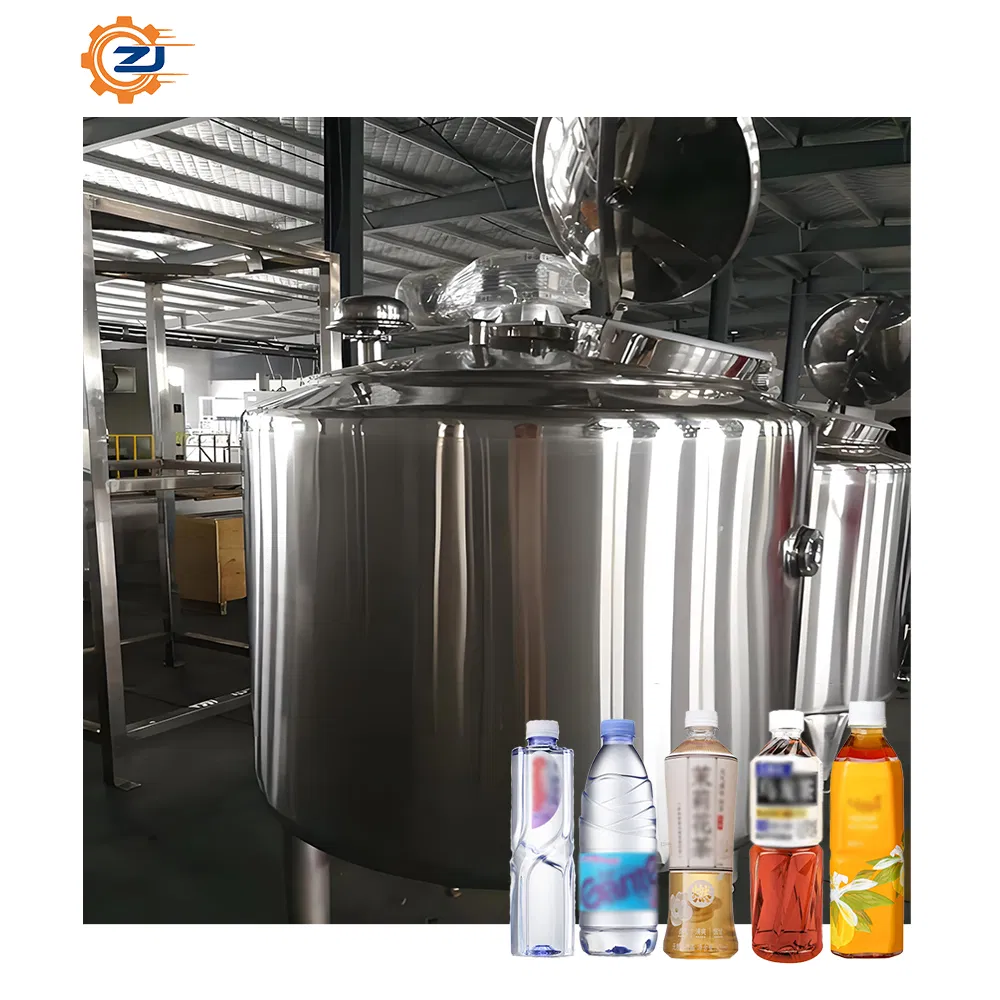
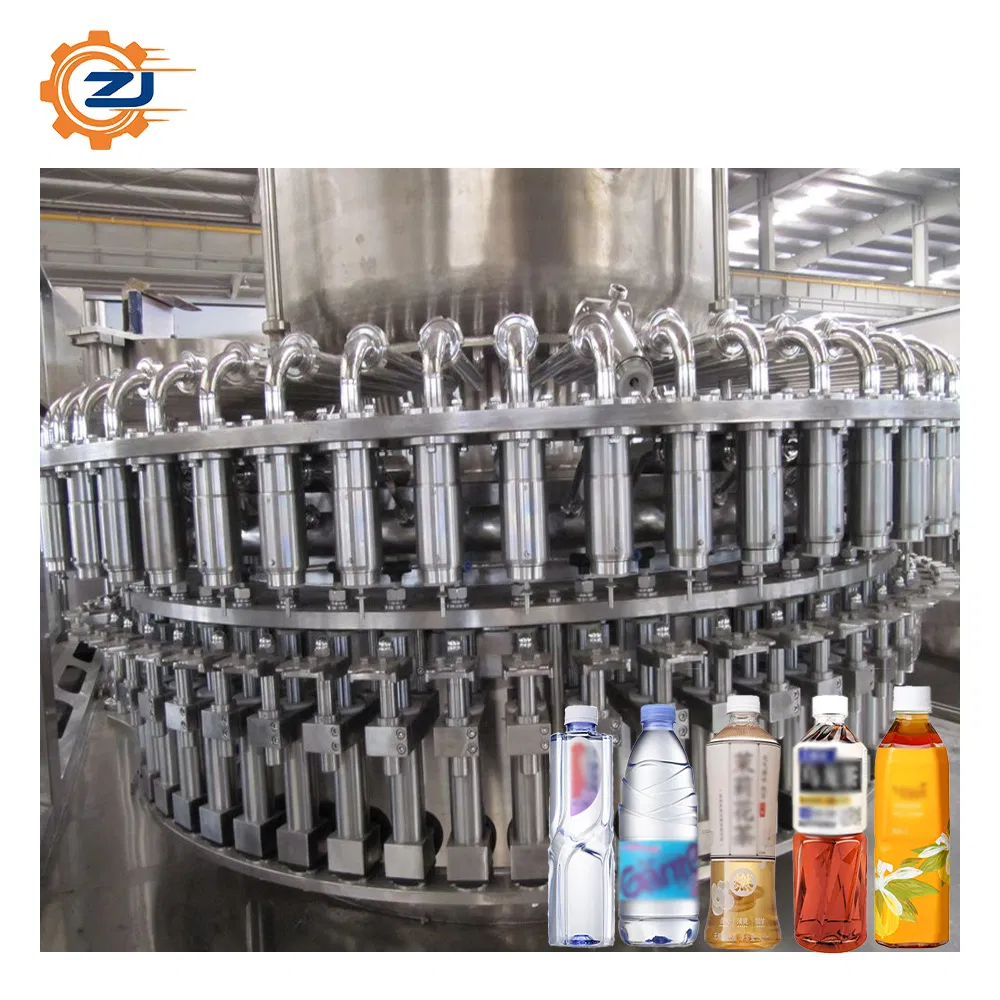
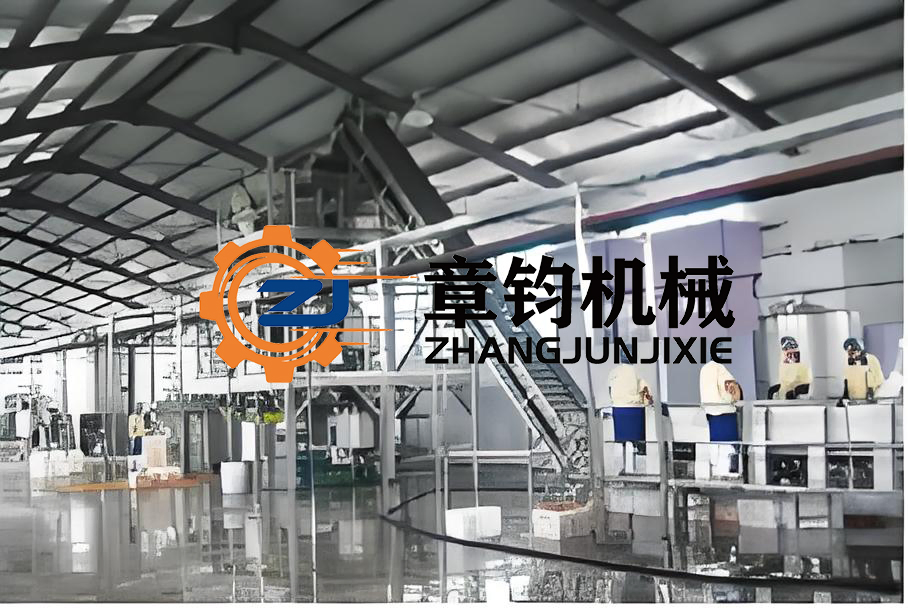
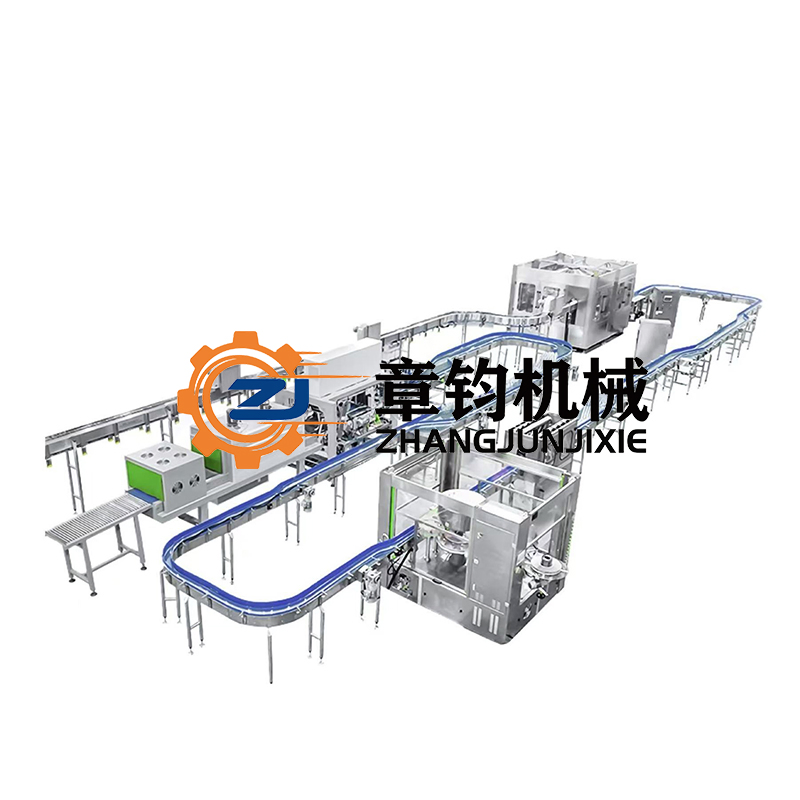
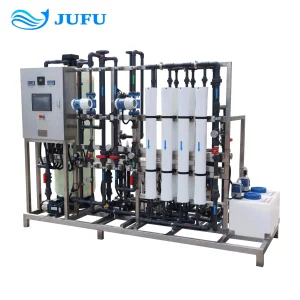
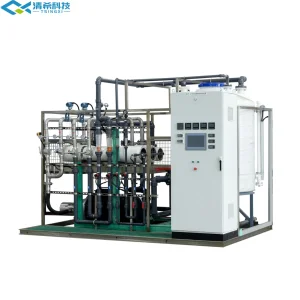
The juice production line is a highly efficient and automated system designed to transform fresh fruits into delicious and nutritious juices, meeting the diverse demands of the market.
1 Fruit Reception and Sorting
- At the beginning of the production line, fresh fruits are delivered in large quantities. Professional workers first visually inspect the fruits to remove any damaged, rotten, or unripe ones. Then, a mechanical sorting system is employed. This system uses advanced sensors to detect the size, color, and firmness of the fruits, further ensuring that only high-quality fruits proceed to the next stage. For example, in an orange juice production line, only fully-ripened oranges with a uniform color and proper size are selected.
2 Washing and Cleaning
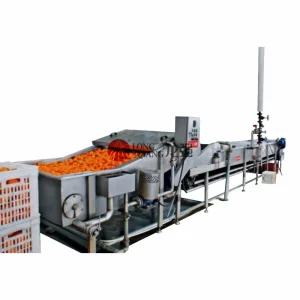
- The sorted fruits are conveyed to the washing area. Here, they are thoroughly washed in multiple steps. First, a high-pressure water spray rinses away surface dirt, dust, and debris. Then, the fruits are soaked in a mild sanitizing solution to eliminate bacteria and pesticides. After that, they are rinsed again with clean water to ensure that no residues are left. This strict washing process guarantees the hygiene and safety of the final juice product.
3 Crushing and Extraction
- Once cleaned, the fruits enter the crushing and extraction section. Specialized crushers break the fruits into small pieces, releasing their juices. For soft-skinned fruits like berries, gentle crushers are used to prevent over-crushing and preserve the integrity of the pulp. For fruits with harder skins, such as apples, more powerful crushers are applied. After crushing, the juice is separated from the pulp and seeds through advanced extraction equipment, such as screw presses or belt filters. This extraction process maximizes the juice yield while minimizing the loss of nutrients.
4 Filtration and Clarification
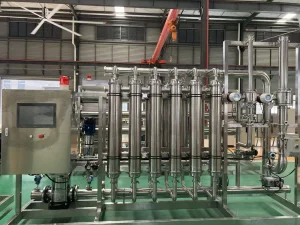
- The extracted juice often contains small particles of pulp, fiber, and other impurities. To obtain a clear and smooth juice, it undergoes filtration and clarification processes. First, a rough filtration is carried out using mesh filters to remove large-sized particles. Then, the juice is further filtered through fine-pore filters, such as membrane filters. In the clarification stage, methods like centrifugation or the addition of clarifying agents are used to remove any remaining suspended solids, making the juice transparent and visually appealing.
5 Pasteurization
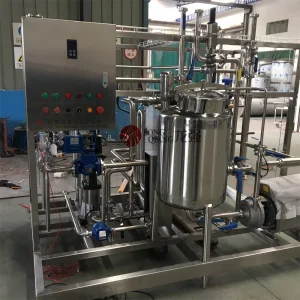
- To ensure the safety and extend the shelf-life of the juice, pasteurization is a crucial step. The filtered and clarified juice is heated to a specific temperature (usually between 70-95°C) for a short period (ranging from a few seconds to several minutes) in a heat-exchanger. This heat treatment kills harmful microorganisms, including bacteria, yeast, and molds, without significantly affecting the flavor, color, and nutritional value of the juice. After pasteurization, the juice is rapidly cooled to prevent further quality degradation.
6 Blending and Flavor Adjustment
- Depending on the product formulation, different juices may be blended together at this stage. For example, a tropical fruit juice blend might combine mango, pineapple, and passion fruit juices. Additionally, flavor enhancers, sweeteners (such as natural fruit concentrates or sugar syrups), and acidity regulators may be added in precise amounts to achieve the desired taste profile. This step allows for the creation of a wide variety of juice products to meet different consumer preferences.
7 Filling and Packaging
- The final-stage juice is then filled into various containers, such as glass bottles, plastic bottles, or cartons. High-speed filling machines ensure accurate and efficient filling, minimizing product waste. After filling, the containers are sealed tightly to prevent contamination and maintain the freshness of the juice. The packages are then labeled with product information, including the brand name, ingredients, nutritional facts, and expiration date. Finally, the packaged juices are grouped and packed into larger cartons for storage and distribution.
Overall, the juice production line integrates advanced technologies and strict quality-control measures at every stage, from fruit selection to packaging, to produce high-quality, safe, and delicious juices for consumers.
Frequently Asked Questions
Q1: What materials are used to construct the juice production line?
A: The entire production line is primarily constructed from high-quality Stainless Steel to ensure durability, corrosion resistance, and strict food-grade hygiene standards.
Q2: What is the processing capacity of this system?
A: The line is designed with a versatile capacity range from 100L up to 1000L, allowing it to cater to both small and medium-scale industrial production needs.
Q3: Can this line handle different types of fruits?
A: Yes, it is suitable for various materials including fruits (apples, oranges, berries), vegetables, dairy, and other beverage types. The crushing and extraction equipment can be adjusted based on the fruit's skin type.
Q4: How does the system ensure the safety of the juice?
A: The line includes a rigorous washing process and a Pasteurization stage where juice is heated (70-95°C) to eliminate harmful microorganisms while preserving nutritional value.
Q5: Is the juice production process fully automated?
A: Yes, the system features an Automatic Grade design with an electric power source, integrating mechanical sorting, high-speed filling, and precision extraction for maximum efficiency.
Q6: Are the specifications of the equipment customizable?
A: Absolutely. We offer customized specifications for the production line to meet specific layout requirements and production goals of different factories.
 CarniTe Machinery