Why Is Pasteurization Essential for Milk in Processing Plants?

Time:2026-08-29 Author:Ethan
0%

Pasteurization serves a crucial role in the processing of milk, ensuring safety and quality. But why does milk need pasteurization in processing plants? This process significantly reduces harmful bacteria and pathogens. Raw milk can harbor dangerous microbes, which pose health risks to consumers.

In processing plants, milk undergoes strict safety regulations. Pasteurization heats milk to a specific temperature for a set period. This technique effectively kills bacteria while preserving the milk’s flavor and nutrients. Without it, milk could lead to foodborne illnesses.

Moreover, customers expect safe dairy products. Public trust hinges on reliable methods to eliminate health risks. As processing plants aim for high standards, understanding pasteurization's importance is vital. While some debate its necessity, the evidence supports its role in protecting public health.
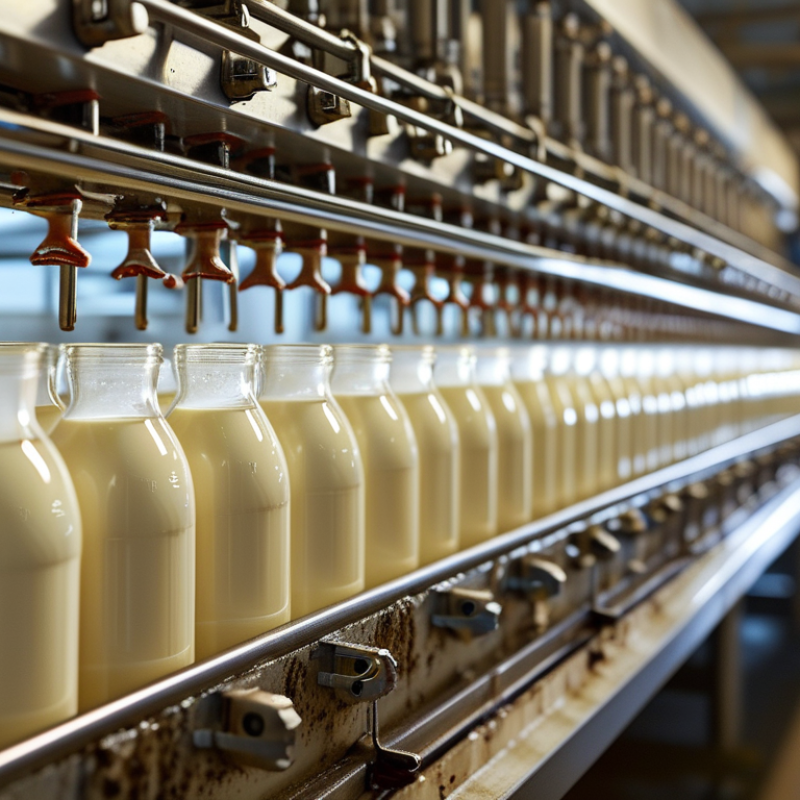
Why Is Pasteurization Essential for Milk in Processing Plants?

The Role of Pasteurization in Milk Safety and Quality Preservation

Pasteurization is a vital step in milk processing. It significantly reduces harmful bacteria. This procedure heats milk to a specific temperature for a set time. This heat treatment kills pathogens that can lead to serious health issues. The process also prolongs shelf life, making milk safer for consumption.

Beyond safety, pasteurization plays an essential role in preserving milk's quality. It maintains flavor and nutritional value while extending freshness. However, the process is not without its critiques. Some argue that high temperatures can affect certain enzymes and delicate nutrients. This calls for a balance between safety and quality, highlighting the need for ongoing research in pasteurization methods.

Consumers often seek reassurance about the products they buy. Trust in pasteurization's efficacy is fundamental. Regulatory bodies oversee these practices to ensure standards are met. Transparency is key in building consumer confidence. Continuous improvement in pasteurization technology can address concerns over nutrient loss and enhance the safety of milk products.

Understanding the Pasteurization Process: Techniques and Methods

Pasteurization is a crucial process in milk processing plants. This method uses heat to eliminate harmful bacteria and pathogens. There are different techniques involved, each with its own advantages. The most common methods are high-temperature short-time (HTST) and ultra-high temperature (UHT) pasteurization. HTST heats milk to 161°F for 15 seconds, while UHT can reach temperatures of 280°F for a few seconds. This ensures the milk is safe for consumption and extends shelf life.

Understanding these techniques is essential for quality control in dairy production. The process may seem simple, yet it requires precision and expertise. Improper pasteurization can lead to spoilage and health risks. Factors such as temperature, time, and equipment play a significant role in effectiveness. Regular monitoring is important in maintaining safety standards.

While pasteurization has proven successful, it's not without challenges. Some argue that it affects the nutritional content of milk. Others believe it changes the flavor profile. These are valid concerns that deserve more research. Continuous improvement in techniques will help address these issues in the future.

Microbial Risks in Raw Milk and the Need for Pasteurization

Pasteurization is vital for ensuring the safety of milk in processing plants. Raw milk can harbor numerous pathogens. These microorganisms pose significant health risks. Common bacteria found in raw milk include E. coli and Salmonella. If consumed, they can lead to severe illnesses. The pasteurization process effectively eliminates these harmful agents. By heating milk to specific temperatures, it undergoes a transformative process. This not only makes milk safer but also extends its shelf life.

When handling raw milk, cleanliness is essential. Always ensure that containers are sanitized. This reduces the risk of contamination from the environment. Pay attention to storage temperatures. Keeping raw milk at a constant cool temperature helps control bacterial growth. Moreover, sourcing milk from reputable suppliers can minimize microbial threats. Regular testing of raw milk is crucial. It ensures that any potential contaminants are identified early.

While pasteurization offers many benefits, some argue it alters milk's natural taste. This perspective invites reflection on the balance between safety and flavor. Experimenting with different pasteurization methods may yield favorable results. Cheese and yogurt making also depend on understanding microbial dynamics. This knowledge can lead to improved dairy products while maintaining safety standards.

Impact of Pasteurization on Nutritional Value and Flavor of Milk

Pasteurization is a critical process in milk processing plants. It involves heating milk to kill harmful bacteria without significantly changing its taste. This step ensures safety, but it also affects the nutritional value of the milk.

Many individuals wonder about the impact of pasteurization on nutrients. While some vitamins may diminish during heating, pasteurization preserves most essential minerals. The process also helps retain proteins, which are vital for health. However, not all agree on the flavor after pasteurization. Some argue that fresh, raw milk has a taste that differs from pasteurized milk. They claim this difference can deter consumers seeking that fresh experience.

It’s important to reflect on the trade-offs. Ensuring safety often comes at the cost of some flavor nuances. Consumers might lose that direct-from-farm taste, yet gain peace of mind knowing the milk is safe. Balancing safety and flavor will always be a topic for discussion among nutritionists and dairy lovers alike.

Regulatory Standards and Guidelines for Pasteurization in Processing Plants

Pasteurization is a crucial process in milk processing plants, driven by strict regulatory standards. According to the CDC, pasteurization reduces the risk of milkborne illnesses by over 99%. This process involves heating milk to a specific temperature for a set time. The most common method, HTST (High-Temperature Short-Time), heats milk to 161°F for 15 seconds. This not only kills harmful bacteria but also extends shelf life, making it essential for consumer safety.

Regulatory agencies like the FDA set rigorous guidelines for pasteurization. Facilities must maintain cleanliness, monitor temperatures, and implement quality control measures. Compliance with these standards is non-negotiable. Yet, some smaller processing plants struggle with adherence due to limited resources. The USDA's reports indicate that 90% of dairy operations achieve compliance. However, there remains a gap for facilities needing better training and updates on best practices.

While pasteurization offers significant benefits, challenges persist. Some consumers question the nutritional quality of pasteurized milk. Studies show minimal nutrient loss, yet the perception remains. Continued education is necessary to bridge this knowledge gap. Ensuring that all dairy plants meet regulatory expectations while addressing consumer concerns is vital for industry trust and public health.

Why Is Pasteurization Essential for Milk in Processing Plants?

Parameter Importance Regulatory Standards
Temperature Eliminates harmful microorganisms Minimum of 72°C for 15 seconds
Time Ensures thorough pasteurization Regulated time-temperature combinations
Hygiene Prevents contamination Strict facility sanitation requirements
Storage Maintains quality post-pasteurization Cool storage below 4°C
Monitoring Ensures adherence to standards Regular testing and monitoring requirements

FAQS

: What is pasteurization?

: Pasteurization is a heating process that eliminates harmful bacteria in milk.

Why is pasteurization important?

It ensures milk safety and extends its shelf life.

What are the main pasteurization techniques?

The primary methods are high-temperature short-time (HTST) and ultra-high temperature (UHT) pasteurization.

How does HTST pasteurization work?

HTST heats milk to 161°F for 15 seconds, effectively killing harmful bacteria.

Does pasteurization affect the nutritional value of milk?

Some vitamins may decrease, but most essential minerals and proteins are preserved.

How does pasteurization impact the flavor of milk?

It may alter the taste, with some preferring the fresh flavor of raw milk.

Are there regulatory guidelines for pasteurization?

Yes, regulatory agencies set strict standards to ensure safety in processing plants.

What challenges do smaller processing plants face?

Limited resources can hinder compliance with regulatory standards and practices.

Do consumers trust pasteurized milk?

While pasteurization is safe, some consumers still question its nutritional quality.

What is needed for better consumer awareness?

Continuous education can help address misunderstandings about pasteurized milk’s benefits.

Conclusion

Pasteurization plays a crucial role in ensuring the safety and quality of milk in processing plants. By employing various techniques and methods, pasteurization effectively eliminates harmful microbes present in raw milk, significantly reducing the risk of foodborne illnesses. This process addresses the question of why does milk need pasteurization in processing plants, as it not only protects consumer health but also preserves the milk's nutritional value and flavor.

Despite some concerns about potential impacts on taste and nutrients, the benefits of pasteurization far outweigh these drawbacks. Strict regulatory standards and guidelines govern the pasteurization process, ensuring that milk remains safe and of high quality for consumers. Ultimately, the practice of pasteurization is essential in maintaining the integrity of milk products and fostering public confidence in milk safety.

Ethan

Ethan

Ethan is a seasoned marketing professional with a deep expertise in our company's innovative product line. With a passion for sharing knowledge and insights, he takes the lead in regularly updating our corporate blog, where he explores industry trends, product features, and effective marketing......